

 Slimline Unit
 Lower Vertical Slide Sash Unit
 Upper Vertical Slide Sash Unit
 Horizontal Sliding Units
 Specialist Shapes
 Curved in Plan
 Listed Building Consent Applications
 FINISHING TOUCHES
 Aftercare
 Payment Plan
 Sash Window Servicing & Repairs

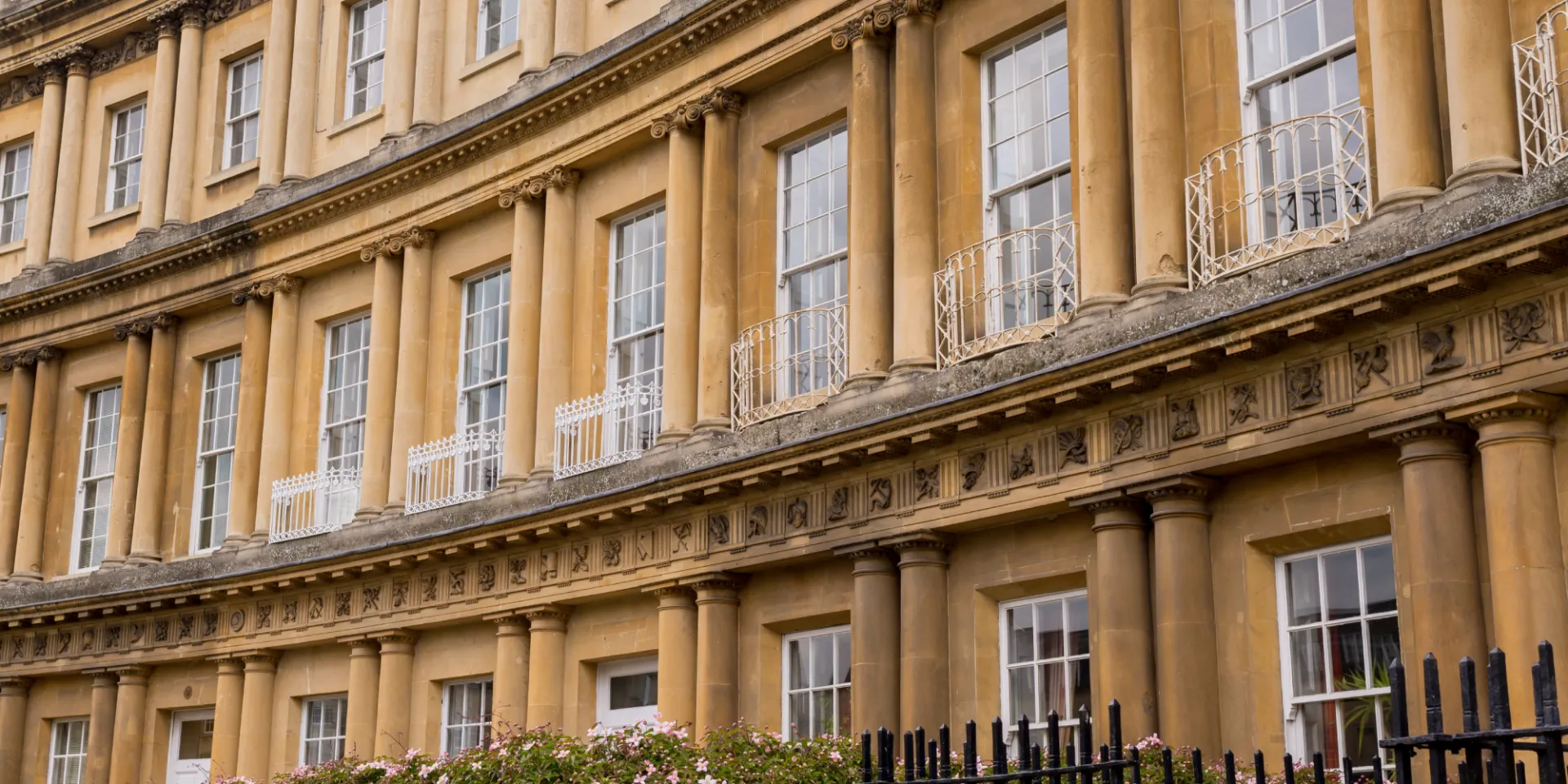
If you own a listed or period property and are considering secondary glazing, you may be wondering whether you need Listed Building Consent before you can go ahead.
It’s a question we’re asked regularly at Storm Windows and, unfortunately, there isn’t always a simple yes or no answer.
The good news is that secondary glazing is widely recognised as a sympathetic way to improve the thermal and acoustic performance of historic windows. Because the original windows remain in place and the installation can usually be reversed, Listed Building Consent is often not required.
However, every listed building is different, and there are circumstances where consent may be necessary. Here we answer some of the most common questions and explain how our new Listed Building Consent service, delivered in partnership with Heritage Window Consultancy, can help.
What is Listed Building Consent?
Listed Building Consent, usually shortened to LBC, is permission from your Local Planning Authority to carry out alterations to a listed building which could affect its special architectural or historic interest.
Importantly, listing normally protects the whole building, not simply its exterior or the features specifically mentioned in its listing. This means that internal alterations can require consent too. Listed Building Consent is also separate from planning permission. Depending on the work you are proposing, you may require one, both or neither.
You can find a useful introduction to Listed Building Consent from Historic England.
Do I need Listed Building Consent to install secondary glazing?
Not necessarily.
Historic England advises that installing reversible secondary glazing does not generally require Listed Building Consent. This is one of the reasons secondary glazing can be such a suitable solution for listed and historic properties. Unlike replacement windows, secondary glazing allows the original window to remain in place. A carefully designed system can therefore improve energy efficiency, reduce draughts and provide acoustic protection while retaining the historic fabric and character of the building.
However, consent may be required if the installation could affect the building’s special architectural or historic interest.
For example, this could be the case if the installation would:
- damage or require alterations to an historic window frame
- affect original panelling, shutters or other significant features
- interfere with the operation of historic shutters
- obscure particularly important historic glazing
- have an unacceptable visual impact on an important interior
Historic England provides further information about modifying historic windows as part of energy-saving improvements.
What if my home is in a Conservation Area but isn’t listed?
Living in a Conservation Area doesn’t automatically mean you need Listed Building Consent – LBC applies specifically to listed buildings.
However, Conservation Areas can have additional planning controls, including Article 4 Directions, which restrict certain alterations that would otherwise be permitted. Internal secondary glazing will often have little or no impact on the external appearance of a property, but it is always sensible to check with your Local Planning Authority before carrying out work if you are unsure.
Why can the answer vary between properties and Local Authorities?
Because no two historic buildings – or windows – are exactly the same.
The significance of the windows themselves, their age and condition, the proposed fixing method and the effect the secondary glazing may have on the building all need to be considered. Local Planning Authorities may also have their own policies and guidance. Historic England therefore recommends contacting your local Conservation Officer if you are unsure whether consent is required. This is particularly important because carrying out alterations to a listed building that affect its special interest without the necessary consent can be a criminal offence. If in doubt, check before work begins.
Is secondary glazing suitable for listed buildings?
In many cases, yes.
Historic England recognises secondary glazing as an effective way of improving the performance of historic windows, and recent guidance states that its installation will generally be acceptable. The key is choosing a system that is appropriate for the building.
At Storm Windows, our secondary glazing is individually designed around the existing window rather than expecting an historic window to accommodate a standard system. Sightlines, glazing bars, frames, shutters and surrounding architectural details can all be considered to create a solution that is as discreet and sympathetic as possible. This approach has enabled us to work extensively with owners of listed properties as well as conservation professionals and organisations including the National Trust, English Heritage, The Crown Estate, Spab, CADW and Historic Scotland.
What happens if Listed Building Consent is required?
This is where good preparation can make a considerable difference.
An LBC application for window works may require supporting information demonstrating the significance and condition of the existing windows, details of the proposed secondary glazing and an explanation of why the alterations are appropriate.
Depending on the project, this can include:
- a detailed window condition survey
- a Heritage Design and Access Statement
- drawings and elevations
- technical and joinery details
- information about the proposed installation and fixing methods
A well-prepared application helps the Conservation Officer understand exactly what is being proposed and how the historic significance of the building will be protected.
Can Storm help with my Listed Building Consent application?
Yes. We have recently introduced a dedicated Listed Building Consent service in partnership with Heritage Window Consultancy.
It is a natural extension of the work we already undertake with listed and historic properties. Our team regularly works alongside Conservation Officers, heritage professionals and owners of listed buildings, giving us an in-depth understanding of the care and attention required when upgrading historic windows. By partnering with Heritage Window Consultancy, we can now offer a more joined-up approach where an LBC application is required.
What does the service include?
The service can manage the process from the initial survey through to determination.
It begins with a detailed on-site window condition survey, assessing the age, significance, condition and repairability of the windows. A Heritage Design and Access Statement can then be prepared to explain the proposed works and demonstrate how they respond to relevant planning policy and Historic England guidance. Where drawings, elevations or joinery details are required, these can also be coordinated as part of the process.
Once submitted, the application is actively managed, including communication with the Local Planning Authority and responses to queries raised by the case officer. Appeal support is also available should an application be refused or particular conditions need to be challenged.
You can find out more about Storm Windows’ Listed Building Consent service here.
I’m still unsure whether I need LBC – what should I do?
Don’t let uncertainty about Listed Building Consent prevent you from exploring ways to make your period property warmer, quieter and more comfortable.
The first step is simply to establish whether consent is likely to be required.
Useful resources include:
- Historic England – Listed Building Consent
- Historic England – Modifying Historic Windows
- Your Local Planning Authority’s Conservation Officer
- Heritage Window Consultancy – Listed Building Consent
Or simply speak to the Storm Windows team. We can discuss your property, the windows you would like to improve and whether our Listed Building Consent service could help you move your project forward with greater clarity and confidence.


 James Scott Road, Halesowen West Midlands, B63 2QT


