

 Slimline Unit
 Lower Vertical Slide Sash Unit
 Upper Vertical Slide Sash Unit
 Horizontal Sliding Units
 Specialist Shapes
 Curved in Plan
 Listed Building Consent Applications
 FINISHING TOUCHES
 Aftercare
 Payment Plan
 Sash Window Servicing & Repairs

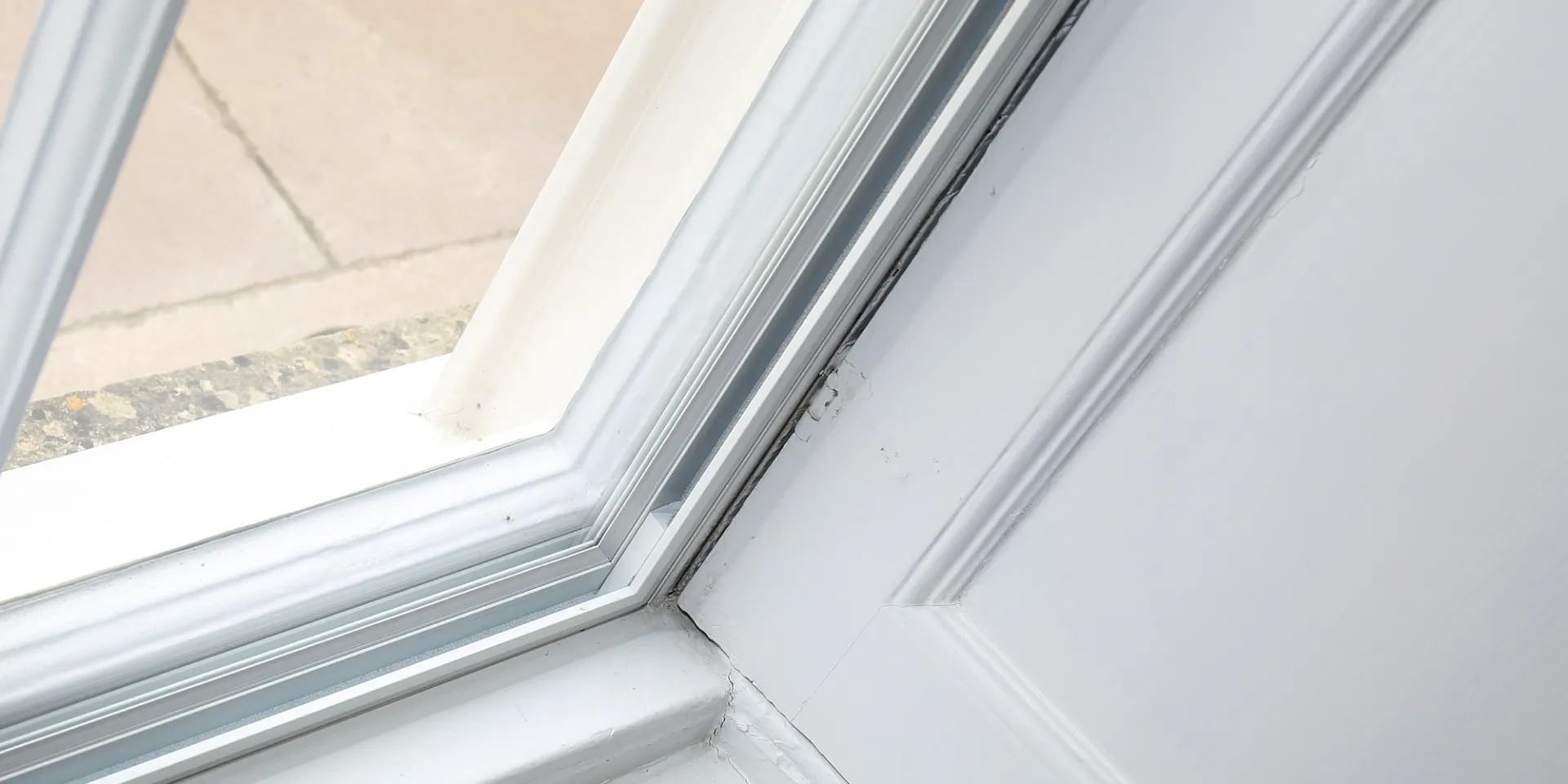
If you live or work in an older building, you’ll probably be familiar with some of its less charming characteristics: cold rooms, draughty windows, outside noise and rising heating costs.
Replacing original windows might seem like the obvious solution, but for listed, historic and period properties, replacement isn’t always desirable – or even possible.
This is where secondary glazing can make a significant difference.
But just how effective is secondary glazing?
The answer may surprise you. From helping retain heat during the winter to reducing outside noise, improving comfort during warmer weather and preserving beautiful original windows, a carefully designed secondary glazing system can deliver benefits throughout the year.
Here are five things you might not know.
1 - Secondary glazing can dramatically reduce heat loss
One of the biggest reasons people consider secondary glazing is to make an older property warmer and more energy efficient.
Traditional single-glazed windows can be a significant source of heat loss. Secondary glazing works by installing a separate internal window behind the existing window, creating an insulating layer of air between the two. Independent research referenced by Historic England has found that heat losses through a window can be reduced by over 60% when secondary glazing incorporating low-emissivity glass is used.
Storm’s own secondary glazing has also undergone independent testing under the guidance of Historic Scotland’s Technical Conservation Group, carried out by Glasgow Caledonian University. The results demonstrate just how significant the improvement can be:
- Single glazing alone achieved a U-value of 5 W/m²K
- Single glazing with Storm 4mm toughened secondary glazing achieved 3 W/m²K
- Single glazing with Storm 4mm Pilkington K low-emissivity glass achieved 5 W/m²K
The lower the U-value, the better the window is at retaining heat.
With the cost of heating remaining an important consideration for households and organisations alike, reducing unnecessary heat loss can help make older buildings more comfortable and more efficient during the colder months. You can read more about the thermal performance of Storm secondary glazing. For independent advice, Historic England also provides a detailed guide to secondary glazing for historic buildings.
2 - It doesn’t just help in winter - it can work with your windows in summer too
We naturally associate energy efficiency with keeping warm, but comfort in historic buildings is increasingly a year-round consideration.
During a heatwave, one of the simplest ways of cooling a building is natural ventilation – and traditional sash windows were designed to do this remarkably well. Opening the bottom and top sash can encourage air circulation, with cooler air entering lower down while warmer air escapes through the upper opening. It is therefore important that adding secondary glazing doesn’t prevent you from using your original windows.
Storm’s systems are designed with this in mind. Depending on the style and configuration of the original window, sliding or removable secondary glazing allows access to the primary window behind it. That means you can continue to open your sash windows and make use of their natural ventilation benefits during warmer weather.
It’s an important part of Storm’s approach: improving the performance of an old building without taking away the features that already work. Historic England also recommends considering energy efficiency and climate resilience in historic buildings as part of a whole-building approach, including maintaining a healthy internal environment.
3 - Secondary glazing can make a surprisingly big difference to noise
Traffic, trains, aircraft, busy streets and general background noise can all become particularly noticeable when you have thin, traditional single glazing.
Secondary glazing creates another barrier between the interior of the building and the outside world. Importantly, there is a larger air cavity between primary and secondary glazing than there would normally be between the panes of a standard double-glazed unit. When correctly designed, this can make secondary glazing particularly effective at reducing noise.
SPAB – the Society for the Protection of Ancient Buildings – advises that secondary glazing combined with draughtproofing can help reduce both low and high frequency noise. The result can be a noticeably quieter and more comfortable environment – something that can make a significant difference in a home, hotel, office, school or other occupied historic building.
You can find out more about the acoustic benefits of Storm secondary glazing. SPAB also provides useful independent information about upgrading traditional timber windows, including both thermal and acoustic improvements.
4 - It can be virtually invisible
One of the biggest concerns we hear is: “Will secondary glazing spoil my windows?” It shouldn’t.
The chunky secondary glazing systems you may remember from decades ago are very different from the bespoke solutions available today. At Storm, every unit is individually designed and handcrafted to complement the existing window. Frames and sightlines can be carefully positioned to follow the lines of the original window, while specialist shapes, arches, curved windows and other unusual designs can all be accommodated.
The aim is simple: you should notice the difference in comfort far more than you notice the glazing itself. This is particularly important in listed and heritage properties where retaining original windows and preserving the architectural character of the building are fundamental considerations. SPAB also notes that well-designed secondary glazing can be unobtrusive and have minimal visual impact, while allowing original historic windows to remain in place.
Discover more about why Storm secondary glazing is designed to be virtually invisible.
5 - It can work just as effectively in a family home as a large commercial building
Secondary glazing isn’t limited to one type or size of property.
Storm works with homeowners across the UK as well as architects, conservation professionals and organisations responsible for some of the country’s most significant historic buildings. The principle remains the same: understand the building, understand the original windows and create a solution specifically for them.
In a residential property
At Brook House, a historic Warwickshire property originally formed from four cottages dating between 1730 and 1800, the owners wanted to retain their original small-pane casement windows while tackling both draughts and noise. Storm installed bespoke horizontal sliding units internally, providing additional warmth and noise reduction while still allowing easy access to the primary windows. The homeowner described the house afterwards as “warmer, quieter, brighter and altogether more comfortable.”
Read the Brook House residential case study.
In a commercial building
At No. 22 Grosvenor Gardens in Central London, an elegant 1860s building was being transformed into a high-specification workspace while retaining its period features. Working alongside architects and contractors, Storm installed 118 bespoke secondary glazed units over four phases. The finished building combines its historic character with the comfort and energy efficiency expected from a modern commercial workspace.
Read the No. 22 Grosvenor Gardens commercial case study.
You can also explore more of Storm’s residential and commercial secondary glazing projects.
So, how effective is secondary glazing?
Very – provided it is properly designed for the window and the building.
A well-designed secondary glazing system can:
- significantly reduce heat loss
- improve comfort and help reduce draughts
- provide impressive acoustic protection
- retain access to original opening windows
- preserve original historic fabric
- have minimal visual impact
- provide a reversible alternative to replacing original windows
Perhaps most importantly for historic properties, you don’t have to choose between character and comfort. Historic England recognises secondary glazing as an effective way of improving traditional windows while allowing the originals to be retained, while SPAB describes it as highly effective at improving their thermal performance.
Why choose Storm Windows for secondary glazing?
Secondary glazing is only as successful as its design, manufacture and installation.
At Storm Windows, we specialise in bespoke secondary glazing for listed, historic and period properties. For more than 25 years, our focus has been on creating solutions around the building – rather than asking the building to adapt to a standard glazing system. Every project starts with understanding the existing windows and what the client wants to achieve. Our experience includes working with homeowners, architects, Conservation Officers and heritage organisations, including the National Trust and SPAB, on properties ranging from individual period homes to churches, hotels, museums and major commercial developments.
Our secondary glazing is:
Bespoke – individually measured and handcrafted for each window.
Proven – independently tested for thermal performance.
Discreet – carefully designed to minimise its visual impact.
Practical – opening and sliding solutions maintain access to original windows for ventilation, cleaning and maintenance.
Heritage focused – designed to retain rather than replace important original windows.
And because every old building presents different challenges, our experienced team can advise on the most appropriate solution rather than taking a one-size-fits-all approach.
Could secondary glazing work for your property?
Whether you’re trying to make your home warmer this winter, create a quieter bedroom, improve the comfort of a commercial building or upgrade a listed property without sacrificing its original windows, secondary glazing could provide the answer.
Talk to the Storm Windows team about your property and book a free survey.
We’ll assess your existing windows, discuss what you would like to achieve and recommend a bespoke solution designed around your building. Because improving the performance of an old window doesn’t have to mean replacing it.


 James Scott Road, Halesowen West Midlands, B63 2QT


